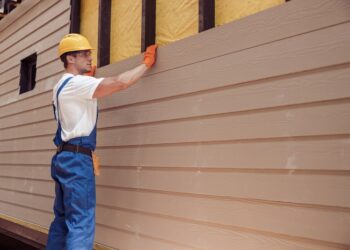

Exploring the world of residential siding unveils a multitude of options, considerations, and decisions that homeowners face. From choosing the right material to understanding the installation process and maintenance requirements, this guide covers it all.
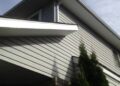
Whether you're looking to enhance the curb appeal of your home or seeking to protect it from the elements, residential siding plays a crucial role in both aesthetics and functionality.
Types of Residential Siding
When it comes to residential siding, there are various materials to choose from, each with its own set of benefits and drawbacks. Let's explore three common types of residential siding materials.
Vinyl Siding
Vinyl siding is a popular choice among homeowners due to its affordability and low maintenance requirements. It is available in a wide range of colors and styles, making it versatile for different aesthetic preferences. However, vinyl siding may not be as durable as other materials and can crack or fade over time.
Wood Siding
Wood siding offers a classic and natural look that many homeowners appreciate. It can be painted or stained to match the desired color scheme, providing a customizable option. While wood siding is aesthetically pleasing, it requires more maintenance to prevent rot, mold, and insect damage compared to other materials like vinyl.
Fiber Cement Siding
Fiber cement siding is known for its durability and resistance to harsh weather conditions, making it a popular choice for homeowners living in areas with extreme climates. It is also fire-resistant and insect-proof, adding an extra layer of protection to the home.
However, fiber cement siding can be more expensive upfront and may require professional installation due to its weight and installation complexity.
Installation of Residential Siding
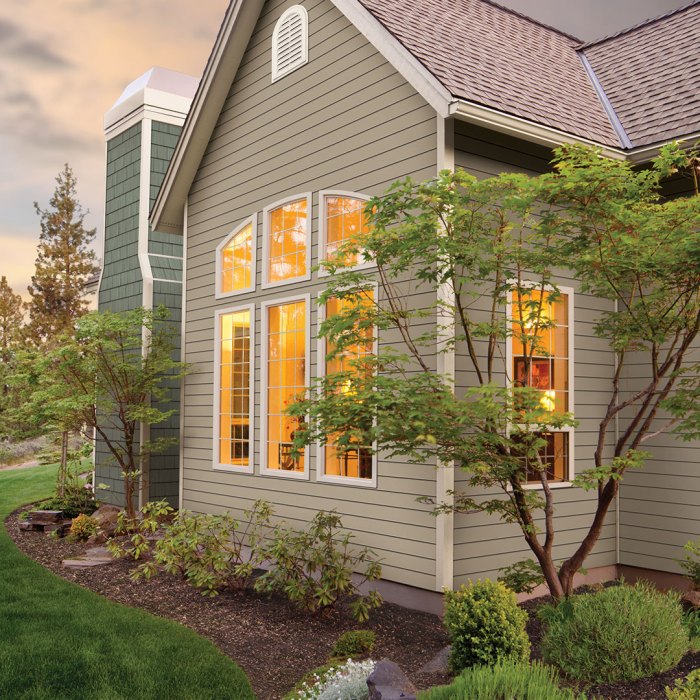
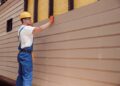
Installing residential siding is a crucial step in protecting your home from the elements and enhancing its overall appearance. Proper installation is key to ensuring the longevity and effectiveness of your siding.
General Steps in Installing Residential Siding
- Prepare the surface: Clean and inspect the walls to ensure they are free of any damage or debris.
- Measure and cut the siding: Accurately measure the dimensions of your walls and cut the siding panels accordingly.
- Install the insulation: Proper insulation is essential for energy efficiency and protection against moisture.
- Attach the siding: Secure the siding panels to the walls using the appropriate fasteners.
- Finish the edges: Use trim pieces to complete the look and seal any gaps or exposed edges.
Importance of Proper Insulation
Proper insulation plays a vital role in the installation of residential siding. It helps regulate the temperature inside your home, reduces energy costs, and prevents moisture buildup that can lead to mold and mildew growth. Insulation also improves the overall durability and performance of your siding.
Tips for DIY Siding Installation Projects
- Choose the right type of siding for your climate and aesthetic preferences.
- Follow manufacturer guidelines and instructions for proper installation techniques.
- Invest in quality tools and equipment to ensure a smooth and efficient installation process.
- Take your time and pay attention to detail to avoid costly mistakes or issues down the line.
- If in doubt, consult a professional to ensure the job is done correctly and to avoid any potential problems in the future.
Maintenance of Residential Siding
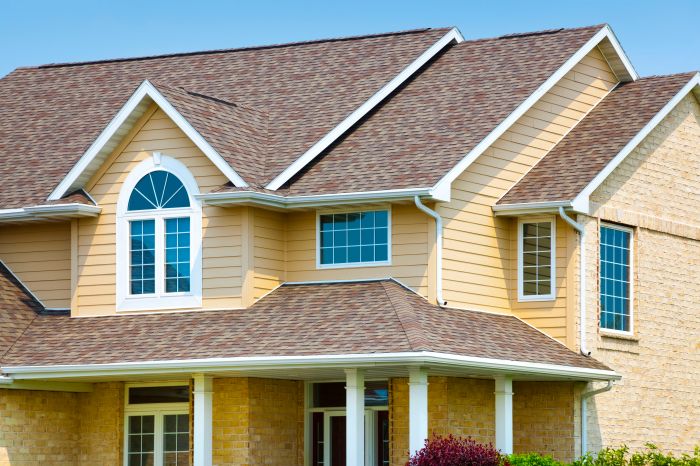
Regular maintenance is essential to keep residential siding in good condition. Different types of siding require specific care to ensure longevity and aesthetic appeal.
Common Maintenance Tasks for Different Types of Siding
- Vinyl Siding: Clean regularly with a mixture of water and mild detergent. Inspect for cracks or damage and replace any damaged panels.
- Wood Siding: Regularly inspect for signs of rot or decay. Apply a fresh coat of paint or stain every few years to protect the wood.
- Fiber Cement Siding: Clean with a mixture of water and mild soap. Inspect for any chips or cracks and repair as needed.
- Brick Siding: Clean with a pressure washer or a mixture of water and vinegar. Check for loose bricks or mortar and repair promptly.
Preventing Mold and Mildew Growth on Siding
Mold and mildew can be a common issue on residential siding, especially in damp or humid climates. To prevent their growth, ensure proper ventilation around the siding and trim any vegetation that is too close to the house. Regularly clean the siding with a solution of water and bleach to remove any existing mold or mildew.
Knowing When to Repaint or Replace Siding
Repainting or replacing siding is necessary when the current finish is fading, peeling, or chipping. If you notice signs of water damage, rot, or extensive mold growth, it may be time to replace the siding altogether. Regular inspections and maintenance can help you identify when repainting or replacing is needed to protect your home's exterior.
Cost Considerations for Residential Siding

When considering residential siding options, it is essential to take into account various cost factors that can influence your budget. From the initial installation expenses to long-term maintenance costs, understanding the financial implications of different siding materials is crucial for effective budgeting.
Factors Influencing the Cost of Residential Siding
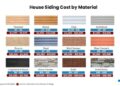
- The material of the siding plays a significant role in determining the overall cost. Materials like vinyl, wood, fiber cement, and metal have varying price points.
- The size of your home and the complexity of the design can impact labor costs for installation.
- Additional features such as insulation, trim work, and architectural details can add to the total cost of the project.
- The location of your home and local labor rates can also affect the overall expenses.
Comparison of Initial Cost vs. Long-term Maintenance Costs
While some siding materials may have a higher initial cost, they could result in lower long-term maintenance expenses. For example, vinyl siding is relatively affordable upfront but may require more frequent cleaning and repairs compared to fiber cement or brick siding, which have higher initial costs but are more durable and require less maintenance over time.
Tips for Effective Budgeting
- Research and compare the cost of different siding materials to find one that fits your budget and maintenance preferences.
- Obtain multiple quotes from reputable contractors to ensure you are getting a fair price for the installation.
- Consider the long-term savings potential of durable siding materials even if they have a higher upfront cost.
- Set aside a contingency fund for unexpected expenses that may arise during the siding project.
Final Review
As we conclude our exploration of residential siding, it becomes evident that this seemingly simple aspect of a home carries significant weight in terms of protection, durability, and overall home value. By understanding the types, installation process, maintenance tasks, and cost considerations, homeowners can make informed decisions to ensure their home remains beautiful and well-protected for years to come.
Detailed FAQs
Is vinyl siding more durable than wood siding?
Vinyl siding is generally considered more durable than wood siding as it is not susceptible to rotting, warping, or insect damage.
How often should I repaint or replace siding?
The frequency of repainting or replacing siding depends on the material used and the climate conditions. Generally, siding may need repainting every 5-10 years and replacement every 20-40 years.
What factors influence the cost of residential siding?
Factors such as the material chosen, the size of the project, additional features like insulation, and labor costs can all influence the overall cost of residential siding.