
With power siding at the forefront, this paragraph opens a window to an amazing start and intrigue, inviting readers to embark on a storytelling filled with unexpected twists and insights. Power siding, a crucial element in construction, offers a blend of durability and aesthetics that redefine the exterior of buildings.
From materials used to installation processes, let's dive into the world of power siding.
Definition of Power Siding
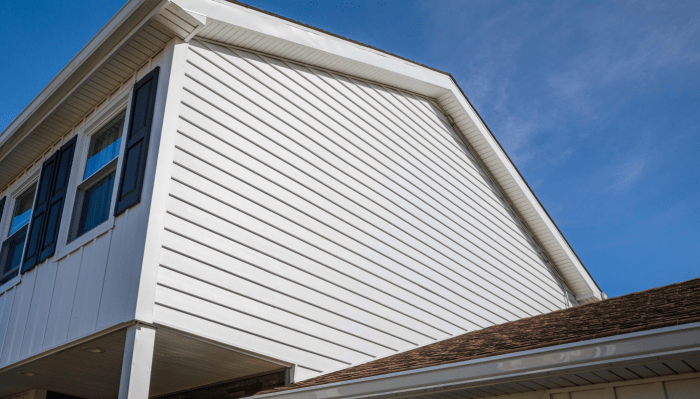
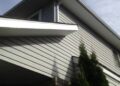
Power siding refers to the exterior cladding or covering of a building that is designed to enhance its visual appeal, protect it from the elements, and improve energy efficiency. It is a crucial component of construction as it not only contributes to the aesthetics of a structure but also plays a significant role in its durability and maintenance.
Materials commonly used for Power Siding
- Vinyl: A popular choice due to its affordability, durability, and low maintenance requirements.
- Fiber Cement: Known for its resistance to fire, insects, and rot, making it a long-lasting option.
- Wood: Provides a natural and traditional look, but requires regular maintenance to prevent decay.
- Metal: Offers a sleek and modern appearance while being resistant to fire and insects.
Benefits of Power Siding
- Enhanced Durability: Power siding helps protect the building from harsh weather conditions, reducing the risk of damage and prolonging its lifespan.
- Improved Aesthetics: By choosing the right material and style, power siding can enhance the curb appeal of a structure, increasing its overall value.
- Energy Efficiency: Certain types of power siding, such as insulated options, can help improve the building's energy efficiency by reducing heat loss or gain.
Types of Power Siding
When it comes to power siding, there are several types available in the market, each with its own unique features and benefits. It's essential to understand the differences between them to choose the most suitable option for your home.
Vinyl Siding
Vinyl siding is a popular choice due to its affordability, low maintenance requirements, and versatility in terms of colors and textures. It is also resistant to rot, insect damage, and fading, making it a durable option for various climates. However, it may crack or warp in extreme temperatures.
Wood Siding
Wood siding provides a natural and rustic look to homes, adding warmth and character. It is environmentally friendly and can be easily painted or stained to change its appearance. However, wood siding requires regular maintenance, such as painting or sealing to prevent rot, mold, and insect infestation.
Fiber Cement Siding
Fiber cement siding is a durable option that mimics the look of wood but with less maintenance required. It is resistant to fire, rot, and insects, making it suitable for various climates. However, it is heavier than other types of siding, which may require professional installation.
Comparing the Types
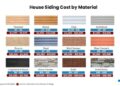
- Vinyl siding is the most affordable option, while wood siding offers a natural look.
- Fiber cement siding is durable and low maintenance, but it can be heavier and costlier.
- Climate-wise, vinyl siding may not be suitable for extreme temperatures, while wood siding requires regular maintenance in humid climates.
Installation Process

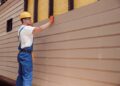
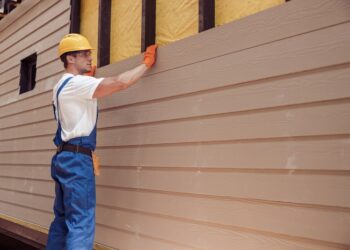
Installing power siding is a crucial step in enhancing the aesthetic appeal and durability of your home. It requires careful attention to detail and the use of the right tools to ensure a proper and long-lasting installation.
Preparing the Surface
Before installing power siding, it is essential to prepare the surface properly. This includes cleaning the area, removing any existing siding, and ensuring that the surface is smooth and free of any debris.
Measuring and Cutting
Measure the area where the power siding will be installed accurately. Use a chalk line to mark the cutting lines and ensure precision. When cutting the siding, make sure to use the appropriate tools such as a circular saw or a utility knife.
Installing the Siding
- Start by installing the starter strip at the bottom of the wall to provide a base for the siding panels.
- Secure the siding panels to the wall using nails or screws, making sure to leave a small gap for expansion.
- Overlap each panel slightly to create a weatherproof barrier and ensure a seamless look.
- Use a level to ensure that the siding is installed straight and evenly across the wall.
Finishing Touches
Once the siding panels are all installed, add the necessary trim pieces to complete the look. Caulk any gaps or seams to prevent water infiltration and ensure the siding is properly sealed.
Maintenance and Care
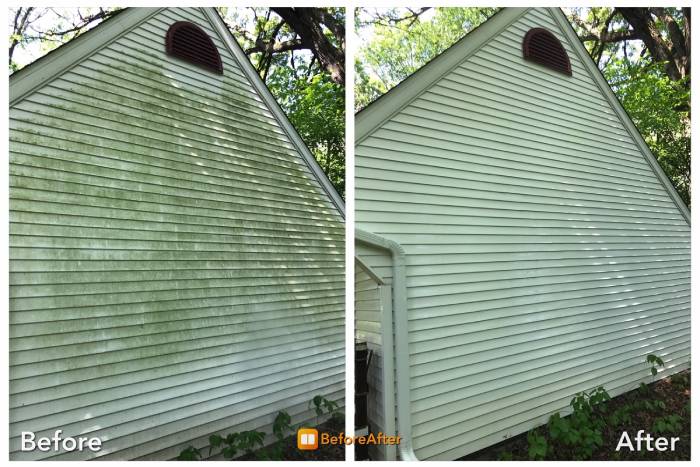
Regular maintenance is essential to ensure the longevity and appearance of your power siding. By following a maintenance schedule and addressing common issues promptly, you can preserve the beauty and functionality of your siding for years to come.
Maintenance Schedule
- Inspect the siding for any signs of damage or wear at least once a year.
- Trim any vegetation that may be growing too close to the siding to prevent damage.
- Clean the siding with a mild detergent and water solution annually to remove dirt and grime.
- Check for any loose or missing panels and secure or replace them as needed.
- Inspect the caulking and sealing around windows and doors to ensure they are intact and reseal if necessary.
Common Issues and Solutions
- Cracking or Warping:This may occur due to exposure to extreme weather conditions. Replace damaged panels and consider investing in insulated siding to prevent future issues.
- Mold or Mildew:Clean the affected areas with a mixture of water and bleach, and address any moisture issues that may be causing the growth.
- Fading:Over time, the color of the siding may fade due to sun exposure. Consider using a UV-resistant paint or siding to maintain the color.
- Pest Infestation:Inspect the siding for any signs of pest activity and seal any entry points to prevent further infestation.
Cleaning and Preservation Tips
- Regularly clean the siding with a soft brush or cloth to remove dust and debris.
- Avoid using harsh chemicals or abrasive tools that may damage the surface of the siding.
- Consider applying a protective coating or sealant to enhance the durability of the siding.
- Trim any overhanging branches or vegetation that may be rubbing against the siding to prevent scratches or damage.
Closure

In conclusion, power siding emerges as a game-changer in the realm of construction, combining functionality and style seamlessly. The durability it offers, along with the variety of options available, makes it a top choice for homeowners and builders alike. By understanding the types, installation process, and maintenance requirements, you can make informed decisions to enhance the look and longevity of your property with power siding.
FAQ Guide
What are some common materials used for power siding?
Common materials include vinyl, wood, and fiber cement.
How can I ensure a long-lasting installation of power siding?
Ensure proper alignment during installation and use quality materials for longevity.
What maintenance schedule should I follow for power siding?
Regularly inspect for damage and clean as needed, typically every 6-12 months.
What are some common issues that may arise with power siding?
Issues like warping, fading, or mold growth can occur; address them promptly to prevent further damage.
How can I preserve the appearance of power siding?
Regularly clean with mild soap and water, avoid harsh chemicals, and repaint when necessary to maintain its appearance.