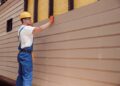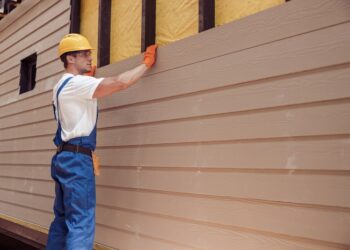

Embarking on the journey of installing siding on a house opens up a realm of possibilities, from enhancing curb appeal to increasing property value. Let's delve into the intricate process and nuances of siding installation, uncovering tips and tricks along the way.
As we navigate through the different types of siding materials, the installation process, and maintenance requirements, you'll gain a deeper understanding of how to transform your home's exterior.
Preparation for Siding Installation
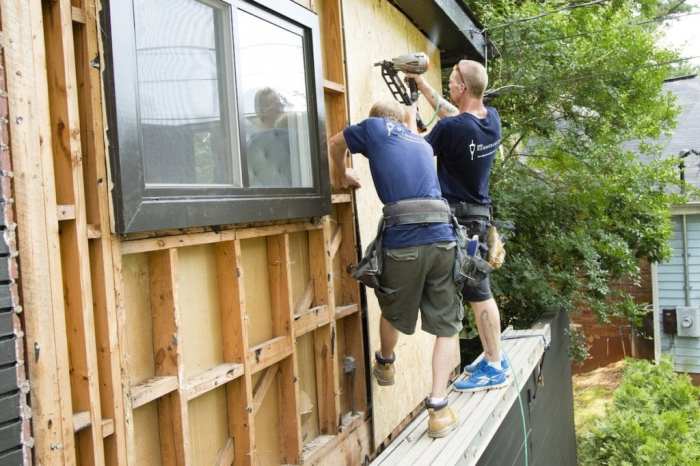
Before you start installing siding on your house, it is crucial to ensure you have the right tools and have prepared the house exterior properly. Taking the necessary safety measures during the preparation phase is also essential to avoid accidents and ensure a successful installation process.
Tools Needed for Installing Siding
- Hammer
- Tape Measure
- Circular Saw
- Nail Gun
- Ladder
- Utility Knife
Importance of Preparing the House Exterior
Preparing the house exterior before installing siding is important to ensure a smooth and durable finish. This includes cleaning the surface, removing any existing siding, repairing damaged areas, and applying a weather-resistant barrier to protect the house from moisture.
Necessary Safety Measures
- Wear appropriate safety gear, such as gloves, goggles, and a dust mask.
- Avoid working in extreme weather conditions, such as high winds or heavy rain.
- Use caution when working on ladders or scaffolding to prevent falls.
- Keep all tools and materials organized and out of the way to prevent tripping hazards.
Types of Siding Materials
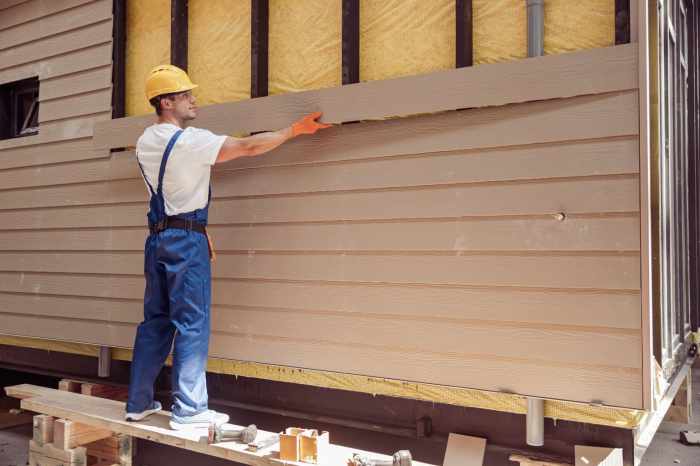
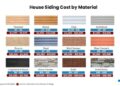
When it comes to choosing siding materials for your home, there are several options available, each with its own set of advantages and disadvantages. Let's take a closer look at some common types of siding materials, including vinyl, wood, and fiber cement, to help you make an informed decision for your home.
Vinyl Siding
Vinyl siding is a popular choice among homeowners due to its affordability and low maintenance requirements. It is durable, versatile, and comes in a wide range of colors and styles. However, vinyl siding may not be as environmentally friendly as other options, as it is made from PVC, a type of plastic that is not biodegradable.
Wood Siding
Wood siding offers a natural and timeless look to a home and is biodegradable, making it a more environmentally friendly option compared to vinyl. However, wood siding requires more maintenance, including regular painting or staining to protect it from the elements.
It is also more susceptible to rot and insect damage over time.
Fiber Cement Siding
Fiber cement siding is a durable and low-maintenance option that offers the look of wood without the high maintenance requirements. It is resistant to rot, fire, and pests, making it a long-lasting choice for homeowners. While fiber cement siding may be more expensive upfront, its durability and low maintenance costs can make it a cost-effective option in the long run.Overall, each type of siding material has its own unique characteristics in terms of durability, cost, maintenance requirements, and environmental impact.
Consider your priorities and budget when choosing the right siding material for your home.
Siding Installation Process
Installing siding on a house involves a step-by-step process that requires precision and attention to detail. One of the crucial aspects is properly measuring and cutting siding panels to fit the exterior walls. This ensures a seamless and professional-looking installation that enhances the overall appearance of the house.
Measuring and Cutting Siding Panels
To begin, measure the length and width of the walls where the siding will be installed. Take accurate measurements to avoid gaps or overlaps in the panels. Use a chalk line to mark the cutting lines on the siding panels based on the measurements taken.
- When cutting the siding panels, use a circular saw or a specialized siding cutter for clean and precise cuts. Make sure to wear safety goggles and gloves for protection.
- Double-check the measurements before cutting to avoid any errors that could lead to misaligned panels.
- For corners and edges, use a miter saw to create angled cuts that fit seamlessly together for a polished look.
Remember, measure twice, cut once!
Tips for Professional Installation
- Start installing siding from the bottom up, securing each panel properly to prevent sagging or warping over time.
- Use a level to ensure that each panel is straight and aligned with the rest of the siding for a uniform appearance.
- Overlap each panel according to the manufacturer's instructions to provide proper water drainage and protection against the elements.
- Finish the installation with matching trim pieces around windows, doors, and corners to complete the look and provide a polished finish.
Finishing Touches and Maintenance

When it comes to finishing touches for newly installed siding, there are several options to enhance the appearance of your home. From adding decorative trim and accents to choosing the right color scheme, these details can make a big difference in the overall look of your property.
Additionally, regular maintenance is essential to prolong the lifespan of your siding and keep it looking its best. By following a few simple cleaning and maintenance tips, you can ensure that your siding stays in top condition for years to come.
Enhancing Appearance with Finishing Touches
- Consider adding decorative trim or molding to create visual interest and depth.
- Choose a contrasting color for the trim to make your siding pop.
- Install shutters or window boxes for a charming and homey touch.
- Upgrade your house numbers or mailbox for a polished look.
Importance of Regular Maintenance
Regular maintenance is crucial for the longevity of your siding. By keeping up with cleaning and upkeep, you can prevent issues like mold, mildew, and rot from developing. This will not only preserve the appearance of your siding but also protect the structural integrity of your home.
Cleaning and Maintaining Different Siding Materials
- Vinyl Siding:Clean with a mixture of water and mild detergent, using a soft brush or cloth. Rinse thoroughly with a garden hose.
- Wood Siding:Regularly inspect for signs of rot or decay. Clean with a solution of water and bleach to remove mold and mildew.
- Fiber Cement Siding:Wash with a solution of water and mild detergent, using a soft brush or sponge. Avoid using high-pressure washers to prevent damage.
- Aluminum Siding:Clean with a solution of water and vinegar, using a soft brush or cloth. Rinse well with water to remove residue.
Outcome Summary
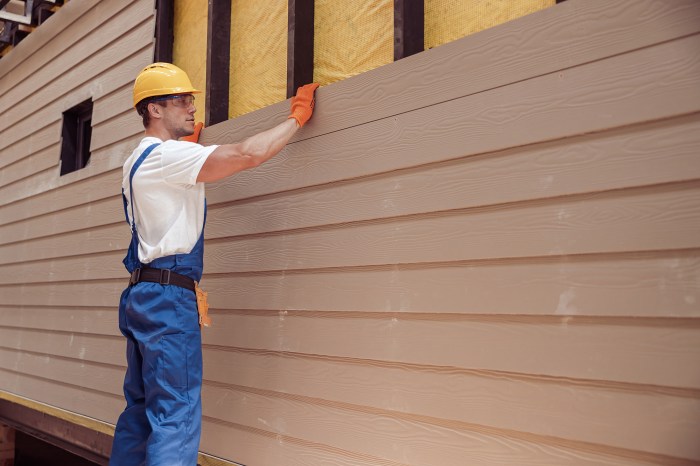
In conclusion, installing siding on a house is not just about aesthetics but also about protection and longevity. By following the right steps and staying on top of maintenance, you can ensure that your siding remains a durable and beautiful asset for years to come.
Question Bank
What tools are needed for installing siding?
Common tools include a circular saw, tape measure, hammer, level, and utility knife.
How do you properly measure and cut siding panels?
Measure twice and cut once using a circular saw or utility knife for precise cuts.
What are the maintenance requirements for wood siding?
Wood siding needs regular painting or staining to protect it from the elements.
How can I enhance the appearance of my siding?
Adding trim pieces, shutters, or decorative accents can elevate the look of your siding.
Is vinyl siding more durable than fiber cement?
Vinyl siding is generally less durable than fiber cement but requires less maintenance.