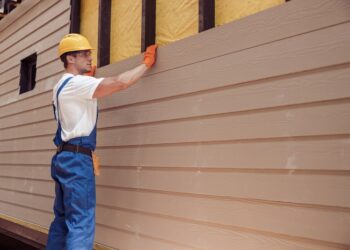

Delve into the world of global siding and roofing as we uncover the latest trends and insights in the construction industry. From durable materials to innovative roofing systems, this topic promises to be both informative and engaging.
Introduction to Global Siding and Roofing
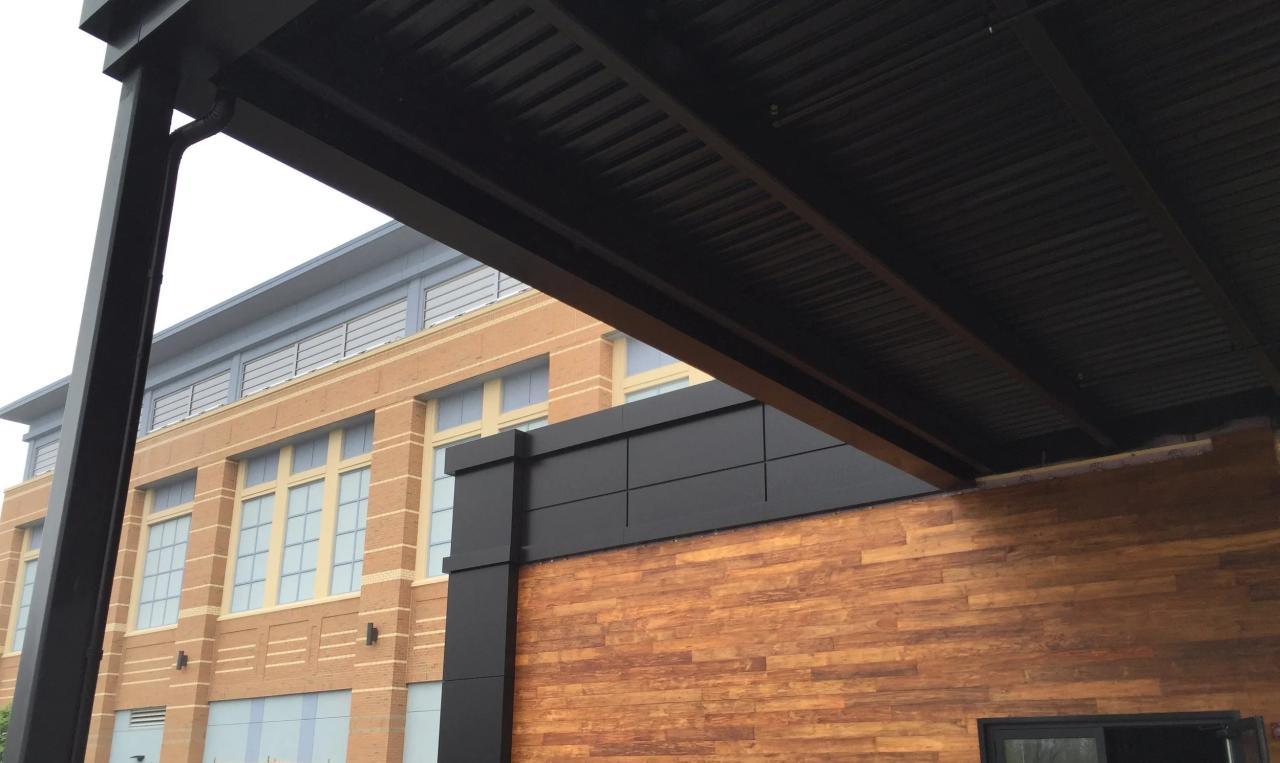
Siding and roofing are crucial components in the construction industry, providing protection and structural integrity to buildings. Siding serves as an exterior cladding that shields the building from environmental elements, while roofing acts as a protective cover against weather conditions like rain, snow, and UV radiation.
Global Market Trends for Siding and Roofing Materials
The global market for siding and roofing materials has been witnessing a shift towards more sustainable and energy-efficient options. Materials like vinyl, fiber cement, metal, and composite are gaining popularity due to their durability, low maintenance, and aesthetic appeal. With a growing emphasis on eco-friendly construction practices, the demand for environmentally friendly siding and roofing materials is on the rise.
Importance of Durable and Weather-Resistant Materials in Different Regions
In regions prone to extreme weather conditions such as hurricanes, high winds, heavy rainfall, or snowfall, the importance of using durable and weather-resistant siding and roofing materials cannot be overstated. Choosing materials that can withstand the harsh climate of a particular region is essential for the longevity and performance of a building.
From impact-resistant shingles to wind-resistant siding, the selection of appropriate materials plays a critical role in ensuring the structural integrity and safety of buildings worldwide.
Types of Siding Materials
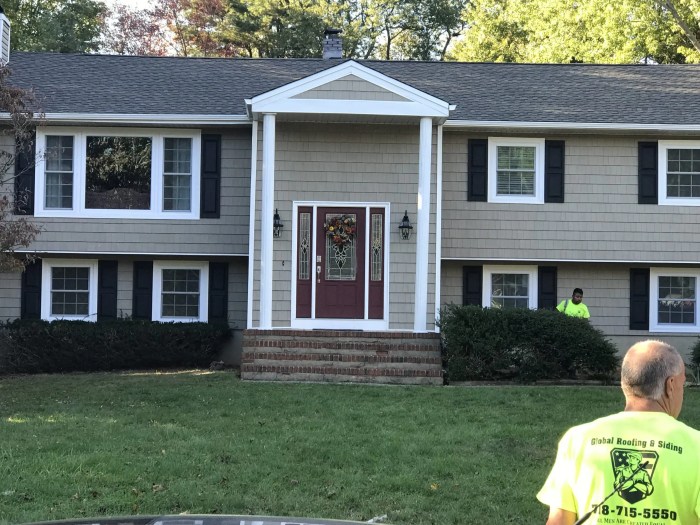
When it comes to siding materials, there are several options available globally, each with its own set of characteristics and benefits. Let's take a closer look at some of the most commonly used siding materials: vinyl, wood, fiber cement, and metal.
Vinyl Siding
- Vinyl siding is one of the most popular choices due to its affordability and low maintenance requirements.
- This type of siding is durable, resistant to rot and insects, and comes in a wide range of colors and styles.
- However, vinyl siding may crack or fade over time, and extreme weather conditions can affect its longevity.
Wood Siding
- Wood siding offers a timeless and natural look that many homeowners appreciate.
- It can be painted or stained in various colors and is environmentally friendly.
- On the downside, wood siding requires regular maintenance, such as painting or staining, to prevent rot and decay.
Fiber Cement Siding
- Fiber cement siding is known for its durability and resistance to fire, rot, and pests.
- It can mimic the look of wood or stucco without the high maintenance requirements.
- However, fiber cement siding can be heavy and challenging to install, requiring professional assistance.
Metal Siding
- Metal siding, such as aluminum or steel, is incredibly durable and resistant to harsh weather conditions.
- It is low maintenance and can be painted in various colors to suit different architectural styles.
- On the other hand, metal siding may dent or scratch easily, and it can be prone to corrosion if not properly maintained.
Roofing Systems Around the World

Roofing systems vary greatly across different regions of the world, influenced by factors such as climate, culture, and available materials. Let's explore some popular roofing options and their advantages.
Asphalt Shingles
Asphalt shingles are a common roofing material in North America due to their affordability, ease of installation, and variety of colors and styles. They provide good protection against UV rays and are durable in moderate climates.
Metal Roofs
Metal roofs are popular in regions with extreme weather conditions, such as Australia and parts of Europe. They are known for their longevity, energy efficiency, and resistance to fire and pests. However, they can be noisy during heavy rain or hailstorms.
Clay Tiles
Clay tiles are commonly used in Mediterranean and South American countries for their aesthetic appeal and ability to keep homes cool in hot climates. They are durable, resistant to insects, and provide good insulation. However, they can be heavy and may require additional structural support.
Green Roofs
Green roofs, or living roofs, are becoming more popular in cities around the world as a sustainable roofing option. They provide insulation, reduce urban heat island effect, improve air quality, and create green spaces. However, they require special maintenance and structural considerations.
Sustainability in Siding and Roofing
When it comes to siding and roofing, sustainability is a key factor to consider. Using eco-friendly materials and practices not only benefits the environment but also contributes to the long-term durability and efficiency of the building.
Eco-Friendly Options for Siding and Roofing Materials
- Recycled Materials: Using recycled materials such as reclaimed wood, metal, or plastic can significantly reduce the environmental impact of siding and roofing.
- Natural Materials: Materials like cedar, bamboo, or cork are renewable resources that have minimal impact on the environment when harvested.
- Solar Panels: Integrating solar panels into roofing systems can harness renewable energy and reduce reliance on non-renewable resources.
Sustainable Practices in Manufacturing and Installation
- Energy Efficiency: Manufacturing processes that prioritize energy efficiency and reduce waste help lower the carbon footprint of siding and roofing materials.
- Proper Installation: Ensuring proper installation techniques not only extends the lifespan of siding and roofing but also minimizes the need for repairs and replacements.
- Recycling Programs: Implementing recycling programs for old siding and roofing materials can prevent them from ending up in landfills and promote a circular economy.
Long-Term Environmental Impact
Using sustainable siding and roofing solutions can have a positive long-term environmental impact by reducing greenhouse gas emissions, conserving natural resources, and promoting a more eco-friendly construction industry. By choosing sustainable options, individuals and businesses can contribute to a greener future for generations to come.
Final Thoughts
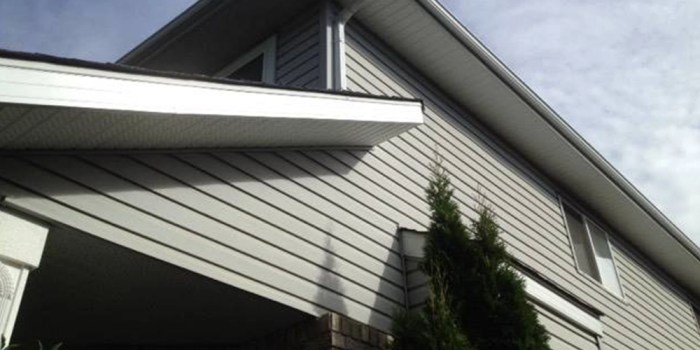
As we wrap up our discussion on global siding and roofing, we've discovered the importance of sustainable practices, the impact of regional climate conditions, and the various types of materials available. Stay tuned for more updates on this dynamic industry.
FAQ Insights
What are the most popular siding materials globally?
Common siding materials used worldwide include vinyl, wood, fiber cement, and metal, each with its own unique characteristics.
How do regional climate conditions affect the choice of roofing materials?
Regional climate conditions play a significant role in determining the best roofing materials to withstand weather challenges and ensure longevity.