
Embark on a journey through the realm of composite home siding options, where we unravel the intricacies of different materials, installation processes, costs, and environmental impacts. This guide promises to provide a holistic view of composite siding, offering valuable insights for homeowners looking to enhance their abode.
Types of Composite Home Siding Materials
Composite home siding materials offer a blend of durability, aesthetics, and low maintenance. Let's explore the different types available in the market and their key features.
Fiber Cement Siding
Fiber cement siding is a popular choice due to its durability and resistance to fire, insects, and rot. Made from a mix of cement, sand, and cellulose fibers, this type of siding provides excellent protection against harsh weather conditions. However, installation can be labor-intensive, and the material is heavy, requiring professional installation.
Vinyl Siding
Vinyl siding is known for its affordability and low maintenance requirements. It comes in a variety of colors and styles, making it a versatile option for homeowners. While vinyl siding is resistant to rot and insects, it may crack or fade over time, especially in extreme temperatures.
Engineered Wood Siding
Engineered wood siding combines wood fibers and resin to create a durable and sustainable option for homeowners. It offers the natural look of wood without the high maintenance requirements. However, engineered wood siding may be prone to moisture damage if not properly maintained.
Composite Stone Siding
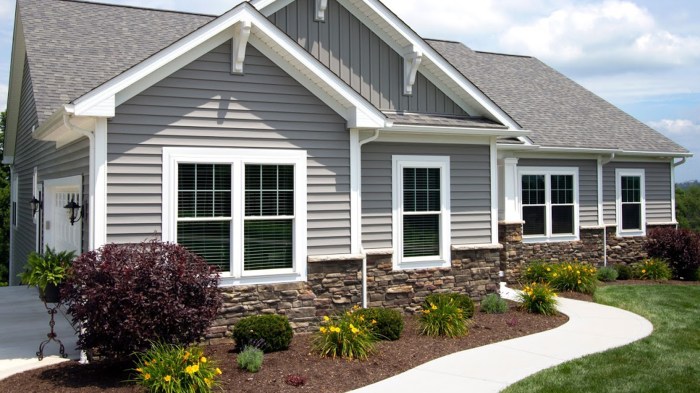
Composite stone siding replicates the look of natural stone but is lighter and more cost-effective. This type of siding is durable and resistant to impact and harsh weather conditions. Installation can be more complex compared to other siding options, and the cost may be higher upfront.Each type of composite home siding material has its own set of advantages and considerations.
Consider your budget, maintenance preferences, and desired aesthetics when choosing the right siding for your home.
Installation Process and Considerations
When it comes to installing composite home siding, there are several key steps and considerations that homeowners should keep in mind to ensure a successful and long-lasting outcome.
Typical Installation Process
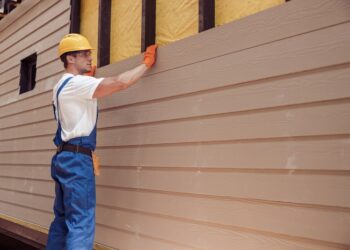
The typical installation process for composite home siding involves the following steps:
- Prepare the surface: Before installing the siding, it is essential to prepare the surface by cleaning it thoroughly and ensuring that it is smooth and free of any debris.
- Measure and cut the siding: Accurate measurements are crucial to ensure a proper fit. The siding panels may need to be cut to size using a saw.
- Install the starter strip: The starter strip is installed at the bottom of the wall to provide a secure base for the siding panels.
- Attach the siding panels: The siding panels are then installed, starting from the bottom and working your way up. Each panel should be securely attached according to the manufacturer's instructions.
- Finish the edges: To complete the installation, finish off the edges with trim pieces for a polished look.
Key Considerations
When installing composite home siding, homeowners should keep the following considerations in mind:
- Weather conditions: It is important to choose a time for installation when the weather is dry and mild to prevent any issues with the siding adhering properly.
- Proper tools: Make sure you have the necessary tools for installation, such as a saw, level, and fasteners, to ensure a smooth process.
- Follow manufacturer instructions: Always follow the manufacturer's guidelines for installation to ensure the siding is properly installed and to avoid any warranty issues.
- Maintenance: Consider the maintenance requirements of the siding material and choose one that fits your lifestyle and maintenance preferences.
Tips for a Successful Installation
Here are some tips to help ensure a successful and long-lasting installation of composite home siding:
- Take your time and double-check measurements to avoid mistakes.
- Use a level to ensure the siding is installed straight and properly aligned.
- Consider hiring a professional installer if you are not confident in your DIY skills.
- Inspect the siding regularly for any signs of damage or issues to address them promptly.
Cost Comparison with Other Siding Materials
When considering the cost of composite home siding options, it is essential to compare them with traditional siding materials like wood, vinyl, and fiber cement. Each material comes with its own set of pros and cons that can impact the overall cost of installation and maintenance.
Comparing Costs
- Wood Siding: While wood siding can provide a classic and natural look, it tends to be more expensive upfront due to the cost of materials and labor. Additionally, wood siding requires regular maintenance, staining, and painting, which can add to the long-term costs.
- Vinyl Siding: Vinyl siding is often considered a more budget-friendly option compared to wood. It is relatively low-cost to install and requires minimal maintenance. However, it may not offer the same level of durability and longevity as composite siding.
- Fiber Cement Siding: Fiber cement siding falls in the mid-range in terms of cost. It is durable and low-maintenance, but the installation costs can be higher compared to vinyl siding. It is important to consider the long-term savings on maintenance and repairs when weighing the overall cost.
- Composite Siding: Composite siding typically falls within the mid to high range of costs. While the initial investment may be higher than vinyl, it offers a good balance of durability, aesthetics, and low maintenance. Over time, choosing composite siding can prove to be cost-effective due to its longevity and minimal upkeep requirements.
Factors Influencing Costs
- Size of the Home: The size of the home plays a significant role in determining the total cost of installing siding. Larger homes will require more materials and labor, leading to higher overall costs.
- Siding Style and Quality: The specific style and quality of the siding chosen can impact the cost. Premium composite siding options with enhanced features may come at a higher price point compared to basic styles.
- Installation Complexity: Factors such as the presence of intricate architectural details, multiple stories, or challenging terrain can affect the installation process and costs. Additional preparation and labor may be required for complex installations.
Long-Term Cost-Effectiveness
Composite siding, despite its initial higher cost compared to some traditional materials, can offer long-term cost-effectiveness. Its durability, resistance to rot, insects, and harsh weather conditions can result in fewer repairs and maintenance expenses over time. By choosing composite siding, homeowners can potentially save money in the long run by avoiding frequent upkeep and replacements associated with other siding materials.
Environmental Impact and Sustainability
Using composite home siding materials can have a significant impact on the environment. The manufacturing process of composite siding materials often involves the use of recycled materials such as wood fibers, plastic, and other components. This helps in reducing the demand for new raw materials and minimizes waste.
Sustainability of Composite Siding
Composite siding options are considered sustainable due to their manufacturing processes that utilize recycled materials. These materials can be sourced from post-consumer waste or industrial byproducts, reducing the overall carbon footprint of the product. Additionally, composite siding is durable and long-lasting, which means less frequent replacements are needed, further reducing environmental impact.
Eco-Friendly Certifications and Initiatives
Many composite siding products come with eco-friendly certifications such as Forest Stewardship Council (FSC) certification, which ensures that the wood fibers used in the composite material come from responsibly managed forests. Some manufacturers also participate in sustainability initiatives, such as recycling programs for old siding materials.
These certifications and initiatives demonstrate a commitment to environmental responsibility in the production and use of composite siding products.
Final Thoughts
As we conclude our exploration of composite home siding options, it becomes evident that these versatile materials offer a blend of durability, aesthetic appeal, and eco-consciousness. Whether you prioritize longevity, affordability, or sustainability, composite siding emerges as a compelling choice for modern homes.
FAQ Section
What are the main types of composite home siding materials?
Common types include fiber cement, engineered wood, and PVC composite siding.
How does the cost of composite siding compare to traditional materials like wood or vinyl?
While composite siding may have a higher initial cost, it often proves more cost-effective in the long run due to its durability and low maintenance requirements.
Is composite home siding environmentally friendly?
Composite siding can be sustainable, with some products made from recycled materials and featuring eco-friendly manufacturing processes.