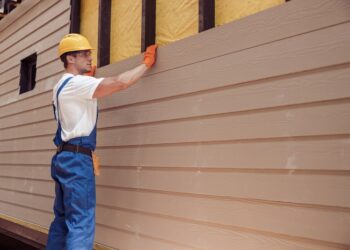

Delving into the realm of vinyl siding installation costs, this guide offers a detailed look at the various factors that influence pricing. From regional variations to cost-saving benefits, this narrative aims to provide a well-rounded perspective on the average cost per square to install vinyl siding.
As we uncover the nuances of vinyl siding installation costs, readers can expect to gain valuable insights into making informed decisions about their home improvement projects.
Factors Affecting the Average Cost
When it comes to determining the average cost per square to install vinyl siding, several factors come into play that can influence the final price. Understanding these factors is essential for homeowners and contractors alike to manage costs effectively.
Quality of Vinyl Siding
The quality of the vinyl siding you choose can significantly impact the overall cost of the installation. Higher-quality materials will generally come at a higher price point, leading to increased costs per square. On the other hand, opting for lower-quality siding may initially reduce costs but could result in more frequent repairs or replacements in the long run, ultimately costing you more.
Size and Complexity of the Project
The size and complexity of the project can also affect the average cost per square. Larger homes or structures will naturally require more materials and labor, leading to higher costs. Additionally, intricate designs, multiple stories, or unique architectural features can increase the complexity of the installation process, resulting in higher overall expenses.
Local Labor Costs
Labor costs play a significant role in determining the average cost per square to install vinyl siding. Local labor rates can vary depending on the region, availability of skilled workers, and demand for construction services. Higher labor costs in certain areas can directly impact the final price of the project.
Additional Services and Customizations
Incorporating additional services or customizations, such as insulation installation, trim work, or decorative elements, can also impact the overall cost of vinyl siding installation. These extra features add value to your property but come with additional expenses that need to be factored into the total cost.
Maintenance and Warranty
Consideration of maintenance requirements and warranty coverage is crucial when calculating the average cost per square for vinyl siding installation. Opting for low-maintenance siding with a strong warranty may initially cost more but can save you money in the long term by reducing repair and replacement costs.
Strategies to Manage Costs
To manage or control these cost-influencing factors, homeowners can consider obtaining multiple quotes from different contractors, conducting thorough research on materials and labor costs, and prioritizing quality and longevity over immediate savings. Planning ahead, setting a realistic budget, and communicating openly with contractors can also help in managing costs effectively.
Cost Comparison
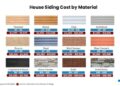
Vinyl siding is a popular choice for homeowners due to its affordability, durability, and low maintenance requirements. Let's compare the average cost per square to install vinyl siding with other types of siding materials to understand the cost-effectiveness of vinyl siding.Vinyl siding vs.
Wood siding:
Vinyl siding vs. Wood siding
- Wood siding tends to be more expensive upfront compared to vinyl siding.
- Wood siding requires regular maintenance such as painting or staining, increasing long-term costs.
- Vinyl siding is more cost-effective in the long run due to its minimal maintenance requirements.
Vinyl siding vs. Fiber Cement siding:
Vinyl siding vs. Fiber Cement siding
- Fiber Cement siding costs more to install than vinyl siding.
- Vinyl siding is easier and faster to install, reducing labor costs compared to fiber cement.
- Vinyl siding is a cost-effective choice for homeowners looking to save on installation expenses.
Vinyl siding vs. Brick siding:
Vinyl siding vs. Brick siding
- Brick siding is one of the most expensive siding materials upfront.
- Installation of brick siding requires skilled labor and can be time-consuming, leading to higher installation costs.
- Vinyl siding offers a more budget-friendly alternative with lower installation costs and comparable durability.
Regional Variances
When it comes to the average cost of installing vinyl siding per square, regional differences play a significant role in determining the final price. Various location-specific factors can influence pricing, leading to fluctuations in installation costs across different regions.
Factors Influencing Regional Variances
- Cost of Living: Areas with a higher cost of living typically have higher labor costs, which can affect the overall price of vinyl siding installation.
- Climate: Regions with extreme weather conditions may require additional preparation and insulation, leading to increased installation costs.
- Regulations and Permits: Some areas have stricter building codes or permit requirements, which can add to the overall cost of the project.
- Competition: The level of competition among contractors in a particular region can impact pricing, with more competition often leading to lower costs.
Regions with Varied Installation Costs
| Region | Typical Cost Variation |
|---|---|
| Urban Areas | Higher due to increased labor costs and permit requirements. |
| Rural Areas | Lower due to less competition and lower cost of living. |
| Coastal Regions | Higher due to exposure to harsh weather conditions. |
| Midwest | Lower due to lower cost of living and moderate climate. |
Installation Process
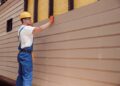
Installing vinyl siding involves several key steps to ensure a proper and long-lasting finish. From preparation to finishing touches, each stage requires attention to detail and precision to achieve the desired results.
Typical Steps in Installing Vinyl Siding
- Preparation of the exterior walls by cleaning and repairing any damage.
- Measuring and cutting the siding panels to fit the dimensions of the walls.
- Installing starter strips at the bottom of the walls to secure the first row of siding.
- Attaching the siding panels using nails or clips, ensuring proper alignment and spacing.
- Adding trim pieces around windows, doors, and corners for a polished look.
- Completing the installation with finishing touches like caulking and sealing to enhance durability.
Labor and Materials for Standard Installation
- Labor: Typically, a professional crew will handle the installation process, including preparation, cutting, and securing the siding panels. The labor cost will depend on the size of the project and the hourly rates of the workers.
- Materials: In addition to the vinyl siding panels, other materials like starter strips, trim pieces, nails, and caulking will be required for a standard installation. These materials contribute to the overall cost of the project.
Additional Costs During Installation
- Removal of existing siding: If there is old siding that needs to be removed before installing vinyl siding, this additional step will incur extra labor and disposal costs.
- Repair of underlying structure: In cases where the walls or sheathing beneath the siding need repairs or reinforcement, these additional tasks will add to the overall cost of the project.
- Customizations: Any special design elements or intricate patterns may require extra time and materials, leading to increased costs during the installation process.
Tips for Optimizing Installation Process
- Plan ahead: Proper planning and accurate measurements can help minimize material waste and optimize the use of resources.
- Hire experienced professionals: Working with skilled contractors can ensure a smooth and efficient installation process, reducing the risk of errors and additional costs.
- Maintain open communication: Stay in touch with the installation team to address any concerns or changes promptly, preventing delays or rework that can impact costs.
Epilogue
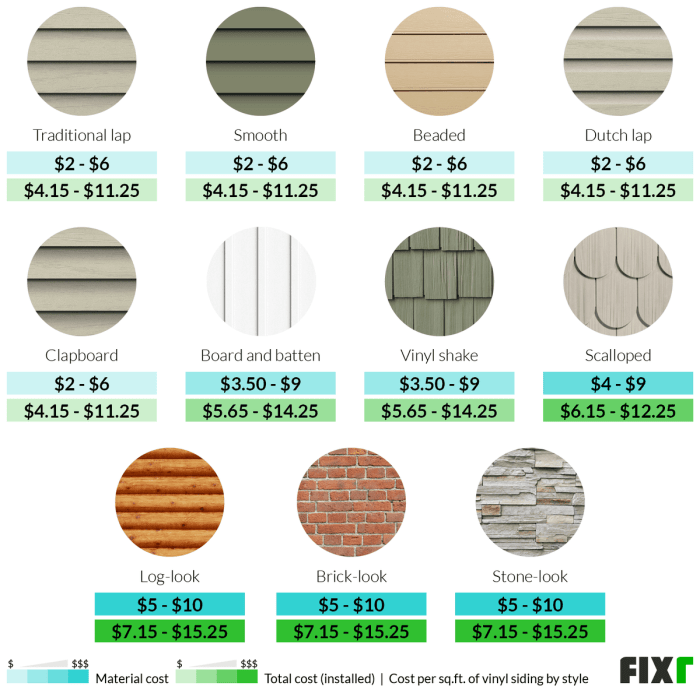
In conclusion, understanding the average cost per square to install vinyl siding is crucial for anyone embarking on a siding project. By being aware of the factors affecting pricing and the comparative cost analysis, homeowners can navigate the process with confidence and fiscal prudence.
FAQ Resource
What factors can influence the average cost of vinyl siding installation?
Factors such as material quality, labor costs, and project complexity can impact the overall cost of installing vinyl siding.
How does vinyl siding compare in cost to other siding materials?
Vinyl siding is often more cost-effective than materials like wood or fiber cement, offering a balance of affordability and durability.
Are there ways to manage regional variances in vinyl siding installation costs?
Considering local pricing trends and seeking multiple quotes can help homeowners account for regional cost variations.
What are the typical steps involved in installing vinyl siding?
The installation process usually includes preparing the surface, measuring and cutting the siding panels, and affixing them to the exterior of the house.
Are there cost-saving benefits to choosing vinyl siding over alternatives?
Yes, vinyl siding is low-maintenance, durable, and often requires less upkeep compared to other siding materials, leading to potential long-term cost savings.