
Delving into the realm of vinyl siding labor, this article sheds light on the various aspects that influence costs, different installation methods, and the labor process. Get ready for an informative journey filled with tips and insights!
As we dive deeper, you'll uncover valuable information about the factors affecting vinyl siding labor costs, the steps involved in the installation process, and key considerations when choosing a contractor.
Vinyl Siding Labor Costs
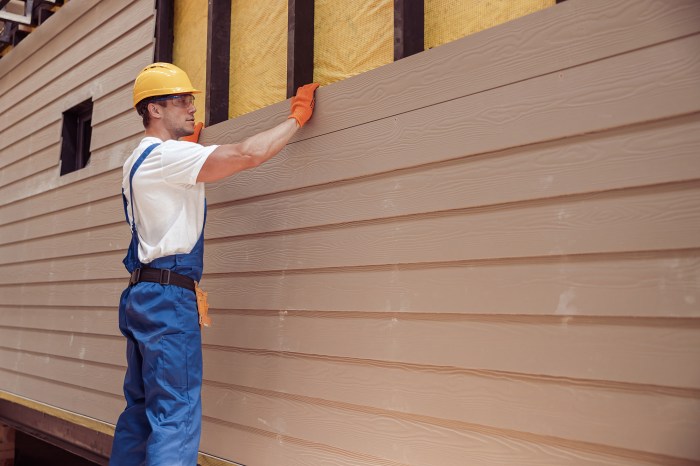
When it comes to vinyl siding labor costs, several factors come into play that influence the overall price of installation. The complexity of the project, the size of the area to be covered, the location, and the contractor's expertise all play a role in determining the total labor cost.
Factors Affecting Costs
- The complexity of the project: Projects that require intricate cuts, special equipment, or unique designs may incur higher labor costs due to the additional time and skill needed.
- Contractor expertise: Highly skilled contractors with a good reputation may charge more for their services, but this often comes with the assurance of quality workmanship.
- Location: Labor costs can vary depending on the region or city where the project is taking place. Areas with a higher cost of living typically have higher labor rates.
Breakdown of Costs
| Item | Average Cost |
|---|---|
| Vinyl siding installation labor | $1,000
|
| Removal of old siding (if needed) | $500
|
| Preparation of the surface | $200
|
| Additional trim work | $300
|
Impact of Project Size
The size of the project directly affects labor costs. Larger projects that require more material, labor hours, and manpower will naturally cost more than smaller installations. Contractors may offer discounts for larger projects, but the overall labor cost will still scale with the size of the job.
Types of Vinyl Siding Installation
When it comes to installing vinyl siding, there are different methods to consider. Whether you opt for a DIY approach or hire professionals, each installation method has its own set of advantages and disadvantages.
DIY Installation
- DIY installation of vinyl siding can be a cost-effective option for homeowners looking to save money on labor costs.
- It allows you to work at your own pace and take pride in completing the project yourself.
- However, DIY installation requires a certain level of skill and knowledge to ensure the siding is installed correctly and securely.
- Mistakes made during DIY installation can lead to issues such as water damage, warping, or poor insulation.
Professional Installation
- Hiring professionals for vinyl siding installation ensures that the job is done efficiently and correctly the first time.
- Professional installers have the experience and expertise to handle any challenges that may arise during the installation process.
- While professional installation may come at a higher cost, it can save you time and potentially prevent costly repairs in the future.
- Additionally, many professional installers offer warranties on their work, providing peace of mind for homeowners.
Vinyl Siding Labor Process
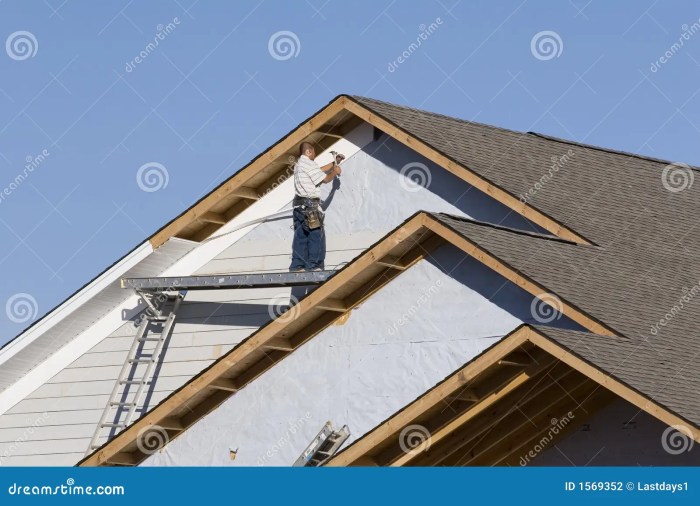
When it comes to the vinyl siding labor process, there are several key steps involved to ensure a successful installation. From preparing the area to overcoming common challenges, here's what you need to know.
Typical Steps in Vinyl Siding Installation
- 1. Preparation: Clean the surface, remove any existing siding, and inspect for any damage or repairs needed.
- 2. Measurement: Take accurate measurements to determine the amount of siding needed.
- 3. Cutting and Fitting: Cut the siding to fit around doors, windows, and corners.
- 4. Installation: Begin at the bottom and work your way up, securing the siding panels in place.
- 5. Finishing Touches: Add trim, corner pieces, and accessories to complete the look.
Tips for Preparing the Area
- 1. Clean Surface: Ensure the surface is clean and free of debris before starting the installation.
- 2. Repair Any Damage: Address any structural issues or damage before installing the siding.
- 3. Weatherproofing: Add a weather-resistant barrier to protect against moisture and water infiltration.
- 4. Proper Tools: Use the right tools for cutting, measuring, and securing the siding in place.
Common Challenges and Solutions
- 1. Warped Siding: To address warped siding, try repositioning and securing it properly with the correct nails.
- 2. Uneven Surfaces: Fill in gaps or uneven areas with insulation or leveling materials before installing the siding.
- 3. Moisture Issues: Properly seal seams and edges to prevent water from seeping behind the siding and causing damage.
- 4. Color Matching: Ensure all siding panels are from the same batch to maintain color consistency throughout the installation.
Choosing a Vinyl Siding Labor Contractor
When it comes to choosing a contractor for vinyl siding labor, there are several key factors to consider to ensure you hire a reliable and skilled professional. Taking the time to evaluate potential contractors thoroughly can save you time, money, and headaches in the long run.
Importance of Checking References and Reviews
Before hiring a contractor for vinyl siding labor, it is crucial to check references and read reviews from past clients. This will give you insight into the contractor's work ethic, quality of work, and reliability. Positive reviews and satisfied customers are indicators of a reputable contractor, while negative reviews can be red flags that help you avoid potential issues.
Checklist for Evaluating Contractor Qualifications
- License and Insurance: Ensure the contractor is licensed and insured to work in your area. This protects you from liability in case of accidents or damages during the project.
- Experience and Expertise: Look for contractors with experience in vinyl siding installation and a proven track record of successful projects.
- Portfolio of Work: Ask to see examples of the contractor's previous work to gauge the quality and craftsmanship of their installations.
- Communication and Professionalism: Evaluate how the contractor communicates with you, their punctuality, and overall professionalism during the initial consultation.
- Cost and Contract: Obtain detailed quotes from multiple contractors and compare pricing, payment schedules, and warranties offered. Review the contract thoroughly before signing to ensure all terms are clear and fair.
Summary
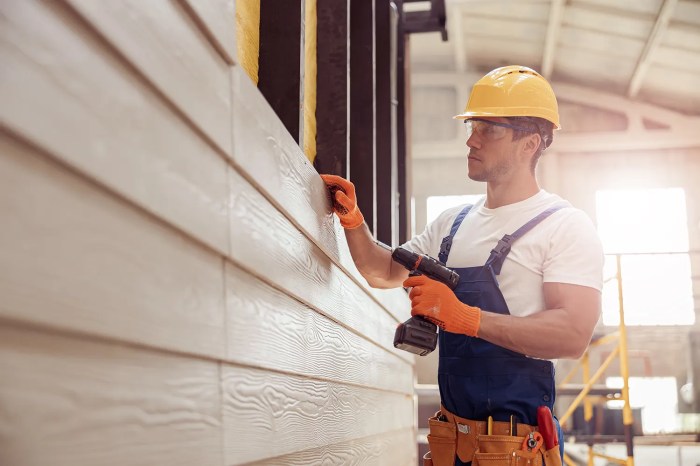
In conclusion, vinyl siding labor is a crucial aspect of home improvement projects. By understanding the costs, processes, and considerations involved, you can make informed decisions and achieve the desired results for your property. Take the first step towards enhancing your home's exterior with confidence!
Questions and Answers
What factors influence the cost of vinyl siding labor?
The factors include the size of the project, location, complexity, materials used, and contractor's experience.
What are the advantages of hiring professionals for vinyl siding installation?
Professional installers have expertise, tools, and experience to ensure a high-quality, durable installation that can increase your home's value.
How do I prepare the area before installing vinyl siding?
Make sure the surface is clean, dry, and free of any debris. Repair any damage or rot on the walls before starting the installation.
What are common challenges faced during vinyl siding labor?
Issues like incorrect measurements, warped siding, and weather conditions can pose challenges. Proper planning and preparation can help overcome these obstacles.
How important is it to check references before hiring a vinyl siding labor contractor?
Checking references can help you gauge the contractor's reliability, quality of work, and customer satisfaction. It's a crucial step in ensuring you choose a reputable professional.