
Replacing wood siding cost sets the stage for this informative exploration, shedding light on the intricacies involved in this process. From factors affecting cost to labor and material considerations, this guide delves into the essential aspects of budgeting for wood siding replacement projects.
As we unravel the layers of expenses and choices, readers will gain valuable insights into the world of wood siding costs, empowering them to make informed decisions for their home improvement endeavors.
Factors Affecting Cost
When it comes to replacing wood siding, several factors can impact the overall cost of the project. These factors can range from the type of wood used to the size of the property and the extent of damage or deterioration.
Understanding these factors is crucial in estimating the cost and planning accordingly.
Type of Wood
The type of wood used for the siding can significantly affect the cost of replacement. Hardwoods like cedar or redwood are more expensive than softwoods like pine. Additionally, exotic woods or specialty finishes can also increase the overall cost of the project.
Size of Property
The size of the property plays a vital role in determining the cost of replacing wood siding. Larger properties will require more materials and labor, leading to higher overall costs. The total square footage of the siding that needs to be replaced will directly impact the final price.
Extent of Damage
The extent of damage or deterioration to the existing wood siding will also influence the cost of replacement. If there is significant rot or pest damage, additional repairs or treatments may be necessary, adding to the total cost of the project.
Labor Costs
Labor costs, including the cost of hiring professional contractors or carpenters, can have a significant impact on the overall cost of replacing wood siding. Skilled labor is essential for a quality installation, but it comes at a price that should be factored into the budget.
Location and Accessibility
The location of the property and the accessibility of the siding can also affect the cost of replacement. Properties in remote or hard-to-reach areas may incur additional transportation or labor costs. Likewise, properties with multiple stories or complex architecture may require specialized equipment, further increasing the overall cost.
Quality of Materials
The quality of the materials used for the wood siding replacement can impact the cost as well. Higher-quality materials may have a higher upfront cost but can result in better durability and longevity, potentially saving money in the long run by reducing the need for frequent repairs or replacements.
Cost Comparison
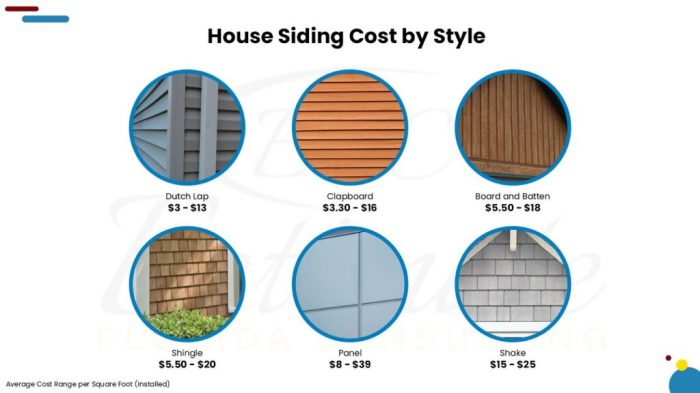
When considering the cost of replacing wood siding, it is important to compare it with other siding materials to make an informed decision. Different materials have varying initial costs and long-term implications that can impact your overall budget and maintenance expenses.Wood siding is known for its traditional and timeless look, but it can be more expensive upfront compared to alternatives like vinyl or fiber cement siding.
However, the cost of wood siding can vary depending on the type of wood used, installation complexity, and maintenance requirements.
Cost Differences between Wood Siding and Alternative Materials
- Wood Siding: Initial cost can be higher due to the cost of materials and installation. Maintenance is required to prevent rot, pests, and weather damage.
- Vinyl Siding: Generally more affordable upfront with lower installation costs. Minimal maintenance required, but can fade or crack over time.
- Fiber Cement Siding: Moderate initial cost with durable and low-maintenance benefits. Resistant to rot, pests, and weather conditions.
Long-term Cost Implications
- Wood Siding: Requires regular maintenance (painting, staining, sealing) to prolong lifespan and prevent damage. Over time, maintenance costs can add up.
- Vinyl Siding: Low maintenance costs make it a cost-effective choice in the long run. However, it may need to be replaced entirely if damaged.
- Fiber Cement Siding: Minimal maintenance and long lifespan reduce long-term costs. Resistant to rot, pests, and weather conditions, reducing the need for repairs.
Labor Costs
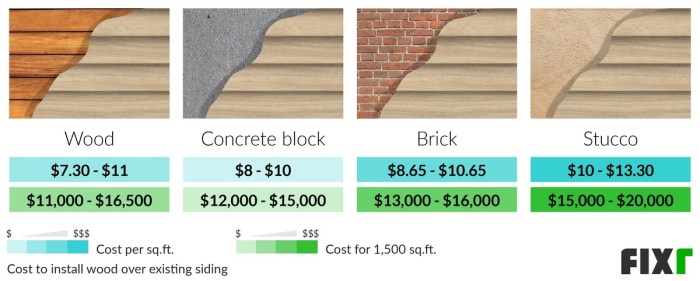
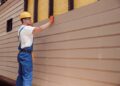
Labor costs play a significant role in the total cost of replacing wood siding. The amount you pay for labor can greatly impact the overall budget for your project. It is essential to understand how labor costs contribute to the total expenses involved in replacing wood siding.
Tasks Requiring Labor
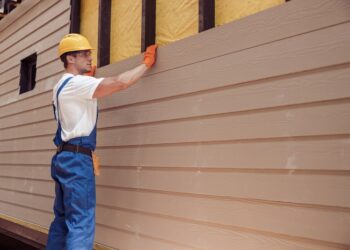
- Removing existing wood siding
- Preparing the surface for new siding installation
- Measuring and cutting new siding materials
- Installing the new wood siding
- Applying finish or paint to the siding
Variability in Labor Costs
Labor costs can vary based on location and the complexity of the project. For example, labor rates in urban areas may be higher compared to rural areas due to differences in the cost of living. Additionally, a project that involves intricate designs or custom cuts may require more labor hours, resulting in increased labor costs.
It is important to consider these factors when budgeting for a wood siding replacement project.
Material Costs
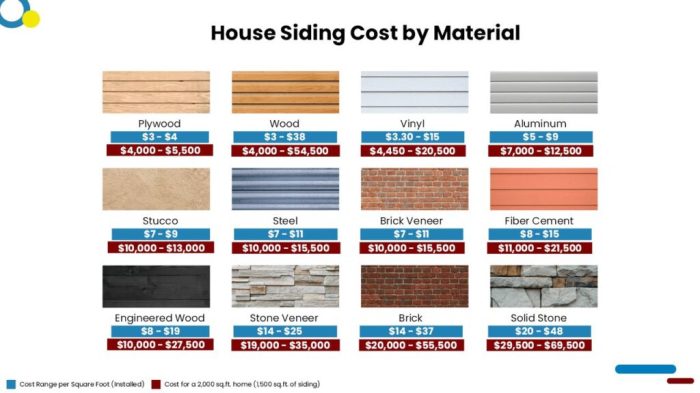
When replacing wood siding, material costs play a significant role in determining the overall expenses. The type and quality of wood used can greatly impact the final cost of the project.Wood siding materials come in various types, each with its own price point.
Common options include cedar, redwood, pine, and engineered wood. The cost of these materials can vary based on factors such as availability, durability, and aesthetic appeal.
Cost of Different Types of Wood Siding Materials
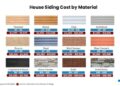
- Cedar: Cedar siding is known for its natural beauty and resistance to decay. It is one of the more expensive options, with prices ranging from $5 to $10 per square foot.
- Redwood: Redwood siding offers a rich, reddish-brown hue and excellent durability. It is priced similarly to cedar, ranging from $6 to $12 per square foot.
- Pine: Pine siding is a more affordable option, with prices typically falling between $3 to $6 per square foot. However, pine is less durable than cedar or redwood.
- Engineered Wood: Engineered wood siding is a cost-effective alternative to natural wood, priced around $2 to $5 per square foot. It is made from wood fibers and resin, offering durability and low maintenance.
Quality and Type of Wood Impact on Material Costs
- The quality of the wood used can significantly affect material costs. Higher quality, more durable wood species like cedar and redwood tend to be more expensive upfront but can offer long-term savings due to their longevity.
- The type of wood chosen also plays a role in material costs. Engineered wood is generally more affordable than natural wood options like cedar or redwood, making it a budget-friendly alternative for homeowners.
Final Review
In conclusion, navigating the realm of replacing wood siding cost requires a blend of foresight, knowledge, and budgetary awareness. By understanding the factors at play and weighing the various cost implications, homeowners can embark on their siding replacement journey with confidence and clarity.
FAQ
What factors can influence the cost of replacing wood siding?
Factors like type of wood, labor costs, and project complexity can impact the overall cost.
How does wood siding cost compare to other siding materials?
Wood siding is generally more expensive upfront but may have lower long-term maintenance costs compared to alternatives.
What are some labor-intensive tasks involved in wood siding replacement?
Tasks like removing old siding, preparing the surface, and installing new siding can be labor-intensive.
How does the type and quality of wood affect material costs?
Higher quality and exotic wood types can significantly increase material costs compared to more common options.