
Discover the intricate world of siding as we delve into its various aspects, from materials used to installation processes. This guide aims to provide you with valuable insights into the realm of siding, offering a blend of informative content and engaging discussion.
Overview of Siding World
Siding World encompasses the wide range of materials and techniques used to cover and protect the exterior walls of buildings. It plays a crucial role in the construction industry by providing insulation, weatherproofing, and enhancing the aesthetic appeal of structures.
Choosing the right type of siding is essential for maintaining the integrity and durability of a building. There are various materials used in siding, each with its own unique properties and benefits.
Types of Siding Materials
- Vinyl: A popular choice due to its affordability, low maintenance, and versatility in design options.
- Wood: Provides a natural and classic look, but requires more maintenance to prevent rot and decay.
- Fiber Cement: Durable and resistant to fire, insects, and rot, making it a long-lasting option.
- Brick: Known for its durability and timeless appearance, but can be costly to install.
- Stucco: Offers a unique texture and finish, but requires skilled installation to prevent cracking.
Benefits of Quality Siding
Investing in high-quality siding for your home comes with numerous advantages. Not only does it enhance the overall appearance of your property, but it also provides long-lasting protection against the elements. Let's explore the benefits of quality siding in more detail.
Durability and Maintenance
- High-quality siding materials, such as vinyl or fiber cement, are known for their durability and ability to withstand harsh weather conditions.
- Quality siding is resistant to rot, mold, and pests, reducing the need for frequent repairs and maintenance.
- Regular cleaning and occasional inspections are usually sufficient to maintain the appearance and functionality of quality siding.
Enhanced Curb Appeal
- Quality siding can significantly improve the curb appeal of your home, increasing its value and making it more attractive to potential buyers.
- Various design options and color choices allow you to customize the look of your home to suit your personal style and preferences.
- Well-maintained siding enhances the overall aesthetic of your property, creating a positive first impression for visitors and passersby.
Popular Siding Styles
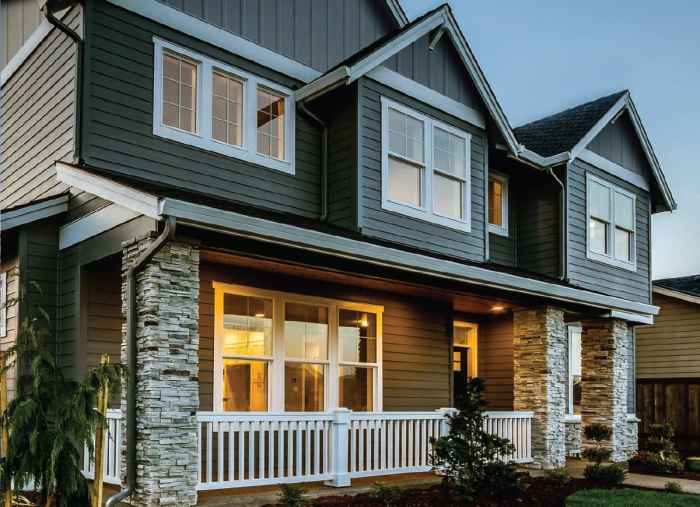
When it comes to siding options for your home, there are several popular styles to choose from. Each siding style has its own unique aesthetic features that can complement various architectural designs.
Vinyl Siding
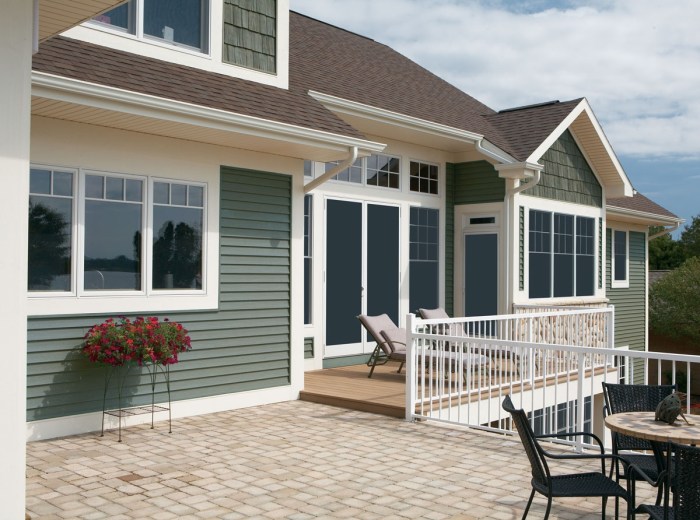
Vinyl siding is one of the most popular choices for homeowners due to its affordability, low maintenance, and versatility. It comes in a wide range of colors and textures, allowing you to customize the look of your home. Vinyl siding can complement both modern and traditional architectural styles.
Wood Siding
Wood siding offers a classic and timeless look that adds warmth and character to a home. It can be stained or painted in various colors to suit your preference. Wood siding is often used in rustic, cottage-style, or craftsman homes, but it can also work well with contemporary designs for a striking contrast.
Fiber Cement Siding
Fiber cement siding is a durable and low-maintenance option that mimics the look of wood or stucco without the drawbacks. It is resistant to rot, fire, and pests, making it a practical choice for many homeowners. Fiber cement siding can complement a wide range of architectural styles, from traditional to modern.
Brick Siding
Brick siding provides a timeless and elegant look to any home. It is known for its durability, energy efficiency, and low maintenance. Brick siding is often used in colonial, Tudor, or Georgian-style homes, but it can also add a touch of sophistication to contemporary designs.
Stone Veneer Siding
Stone veneer siding offers the luxurious look of natural stone at a more affordable price. It adds texture and visual interest to the exterior of a home, creating a sense of elegance and sophistication. Stone veneer siding is versatile and can be used in various architectural styles, from traditional to modern.
Installation Process
When it comes to installing siding, there are several general steps involved in the process to ensure a successful outcome. Proper installation is crucial for the longevity and effectiveness of the siding, so it's essential to follow these steps carefully.
Preparation
Before starting the installation process, it is important to prepare the area where the siding will be installed. This includes clearing the area of any debris or obstacles that may hinder the installation process. Additionally, make sure to measure and cut the siding panels accurately to fit the specific dimensions of the building.
Installation
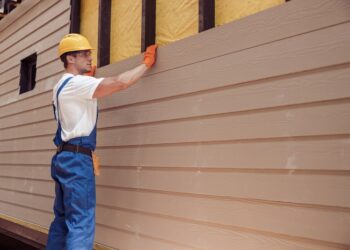
Once the preparation is complete, the actual installation process can begin. This typically involves securing the siding panels to the exterior of the building using nails or screws. It's important to follow the manufacturer's instructions closely to ensure proper installation and alignment of the siding panels.
Finishing Touches
After the siding panels are installed, it's important to add finishing touches to complete the look. This may include adding trim pieces, caulking gaps, and painting or staining the siding to protect it from the elements.
Tips for Successful Siding Installation
- Ensure proper measurements are taken before cutting siding panels to avoid any fitting issues.
- Follow manufacturer's instructions carefully to ensure correct installation techniques.
- Use quality materials and tools to ensure a durable and long-lasting siding installation.
- Consider hiring a professional siding contractor for complex installations or if you're unsure about the process.
Common Mistakes to Avoid During Installation
- Avoid installing siding panels without proper preparation of the surface, as it can lead to uneven installation and potential damage.
- Avoid overdriving nails or screws, as this can cause the siding to buckle or warp over time.
- Avoid neglecting to seal gaps or joints properly, as this can lead to water infiltration and damage to the siding.
Maintenance and Care
Regular maintenance is essential for keeping your siding in top condition and preserving the overall appearance of your home. By following best practices for cleaning and maintenance, you can extend the lifespan of your siding and avoid costly repairs or replacements down the line.
Cleaning and Maintaining Different Siding Materials
- For vinyl siding, use a mixture of water and mild soap to scrub away dirt and grime. Avoid using abrasive materials that can scratch the surface.
- Wood siding should be cleaned with a gentle cleaner specifically designed for wood, followed by a thorough rinse with water to prevent damage from harsh chemicals.
- Fiber cement siding can be cleaned with a solution of water and mild detergent. Be sure to rinse thoroughly and avoid high-pressure washing that could cause water damage.
- Metal siding may require occasional repainting to prevent rust and corrosion. Regularly inspect for any signs of damage and address them promptly.
Tips for Extending Siding Lifespan
- Inspect your siding regularly for any signs of damage, such as cracks, warping, or discoloration. Addressing issues early can prevent them from worsening.
- Trim any vegetation near your siding to prevent mold or mildew growth and avoid damage from overhanging branches.
- Avoid using harsh chemicals or abrasive tools when cleaning your siding, as these can cause damage and reduce the lifespan of the material.
- Consider applying a protective coating or sealant to your siding to provide an extra layer of defense against the elements and prolong its lifespan.
Environmental Impact
When it comes to siding materials, considering the environmental impact is crucial in making a sustainable choice for your home. Different siding options vary in eco-friendliness, recyclability, and energy efficiency, so let's explore the environmental aspects of various siding materials.
Eco-friendly Siding Materials
There are several sustainable siding options available that are environmentally friendly and offer numerous benefits. These materials are sourced and manufactured in ways that minimize harm to the environment and promote sustainability. Some eco-friendly siding materials include:
- Bamboo: A rapidly renewable resource that grows quickly and requires minimal pesticides.
- Recycled Steel: Made from recycled materials and can be recycled again at the end of its lifespan.
- Cork: Harvested from the bark of cork oak trees without harming the tree, making it a renewable resource.
Recyclability and Energy Efficiency
Choosing a siding material that is recyclable and energy-efficient can have a positive impact on the environment. Some siding options are designed to be easily recycled, reducing waste and promoting sustainability. Additionally, energy-efficient siding can help improve the insulation of your home, reducing energy consumption and lowering your carbon footprint.
Consider the following recyclable and energy-efficient siding choices:
- Vinyl Siding: Can be recycled and is a low-maintenance option that can improve energy efficiency.
- Fiber Cement Siding: Durable and long-lasting, made from sustainable materials like wood pulp and recycled materials.
- Wood Siding: A natural and renewable resource that can be recycled or repurposed, with proper maintenance and care.
Last Recap
In conclusion, the world of siding is vast and multifaceted, offering homeowners a myriad of choices to enhance their property. Whether it's exploring popular styles or understanding the environmental impact, this guide has shed light on the importance of quality siding in construction projects.
FAQ Section
What are the different types of materials used in siding?
Siding materials range from vinyl and wood to fiber cement and metal, each offering unique benefits in terms of durability and aesthetics.
How can I ensure a successful siding installation?
Ensure proper preparation of the surface, follow manufacturer guidelines, and consider hiring a professional for best results.
Why is regular maintenance important for siding?
Regular maintenance helps prevent damage, extends the lifespan of siding, and keeps your home looking its best.
Are there sustainable siding options available?
Yes, eco-friendly options like recycled composite materials and engineered wood siding offer sustainable choices for environmentally conscious homeowners.
What are the benefits of investing in high-quality siding?
High-quality siding enhances curb appeal, provides better insulation, and requires less maintenance over time, making it a worthwhile investment.