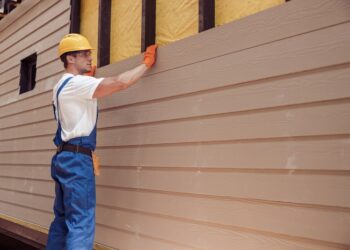

When it comes to painting metal siding, there are crucial steps and considerations that can make or break the final result. From surface preparation to choosing the right paint and applying it with finesse, this guide covers everything you need to know for a successful painting project.
Dive in and discover the art of transforming metal surfaces with a fresh coat of paint.
Preparing the Surface
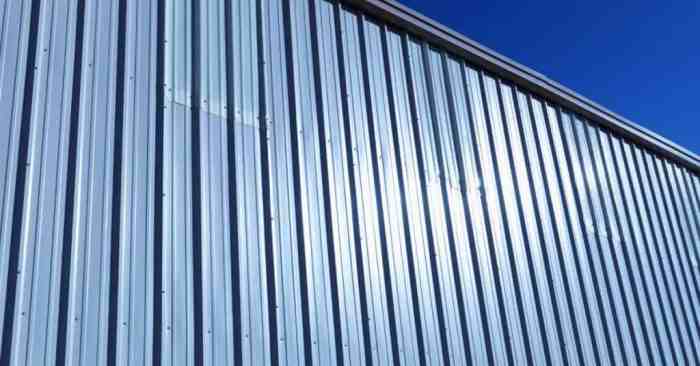
Cleaning the metal siding before painting is crucial to ensure proper adhesion and a long-lasting finish. Dirt, dust, grease, and other contaminants can prevent the paint from adhering well, leading to peeling and chipping over time.
Steps for Preparing Metal Siding for Painting:
- Start by cleaning the surface with a mixture of water and a mild detergent to remove any dirt, grime, or grease.
- Rinse the siding thoroughly with clean water to ensure all cleaning residues are removed.
- Inspect the surface for any rust or corrosion spots. Use a wire brush or sandpaper to remove the rust until you reach bare metal.
- After removing any rust, sand the entire surface with fine-grit sandpaper to create a rough texture for better paint adhesion.
- Wipe down the siding with a clean, damp cloth to remove any dust or debris from sanding.
Tips for Sanding and Priming the Metal Surface:
- Use a sanding block or orbital sander for larger areas to ensure an even and consistent finish.
- Apply a rust-inhibiting primer to the entire surface to prevent future rust formation and to improve paint adhesion.
- Allow the primer to dry completely before applying the paint to achieve the best results.
- Choose a high-quality metal paint specifically designed for exterior use to ensure durability and long-lasting protection.
Choosing the Right Paint
When painting metal siding, selecting the appropriate paint is crucial to ensure a long-lasting and durable finish. Different types of paint are available for metal surfaces, each with its own advantages and considerations to keep in mind.
Types of Paint Suitable for Metal Siding
When it comes to painting metal siding, two common options are oil-based and latex-based paints. Both types have their own set of characteristics that make them suitable for different situations.
- Oil-Based Paint:Oil-based paints are known for their durability and excellent adhesion to metal surfaces. They provide a smooth, high-gloss finish that is resistant to wear and tear. However, oil-based paints require longer drying times and can emit strong odors during application.
- Latex-Based Paint:Latex-based paints are easier to clean up with water, have a faster drying time, and are less likely to fade over time. They also offer flexibility and breathability, making them suitable for metal surfaces that may expand or contract with temperature changes.
However, latex-based paints may not adhere as well to metal surfaces compared to oil-based paints.
Importance of Selecting a Paint with Rust-Inhibiting Properties
Rust is a common issue with metal surfaces, especially when exposed to moisture or harsh weather conditions. Therefore, choosing a paint with rust-inhibiting properties is essential to prevent corrosion and maintain the integrity of the metal siding.
Look for paints specifically formulated for metal surfaces that contain rust inhibitors or corrosion-resistant properties. These additives help create a protective barrier that prevents moisture and oxygen from reaching the metal, reducing the risk of rust formation.
Application Techniques
When it comes to painting metal siding, the application technique plays a crucial role in achieving a smooth and professional finish. Here are some tips and best practices to consider when applying paint to metal surfaces.
Choosing the Right Tools
- Brushes: Use high-quality brushes with synthetic bristles for better coverage and smoother finish.
- Rollers: Foam rollers are ideal for metal surfaces as they help prevent streaks and provide even coverage.
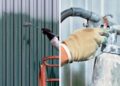
- Sprayers: Airless paint sprayers are efficient for large metal siding projects, ensuring a uniform coat of paint.
Application Tips
- Start with a clean surface: Remove any dirt, rust, or debris before painting to ensure better adhesion.
- Apply primer: Use a rust-inhibiting primer before painting to prevent corrosion and improve paint adhesion.
- Work in small sections: Avoid painting large areas at once to prevent drips and runs.
- Use thin coats: Apply multiple thin coats of paint rather than one thick coat to avoid drips and streaks.
- Follow the manufacturer's instructions: Always read and follow the paint manufacturer's guidelines for the best results.
Weather Considerations
When painting metal siding, weather conditions play a crucial role in the success of your project. Factors such as temperature, humidity levels, direct sunlight, and rain can significantly impact the painting process and the final result.
Ideal Weather Conditions
- Avoid painting in extreme temperatures, as this can affect the paint's drying time and adhesion to the metal surface. The ideal temperature range for painting metal siding is between 50°F to 85°F.
- Humidity levels should also be taken into consideration. High humidity can cause the paint to dry slowly and may lead to issues like blistering or bubbling. Aim for humidity levels between 40% to 70% for optimal results.
Impact of Direct Sunlight or Rain
- Direct sunlight can cause the paint to dry too quickly, leading to uneven application and potential peeling. Try to paint metal siding when it is in the shade to ensure the paint has enough time to cure properly.
- Avoid painting metal siding right before or during rain, as moisture can interfere with the paint's adhesion and drying process. Make sure the forecast is clear for at least 24 hours after painting to allow the paint to fully set.
Last Recap
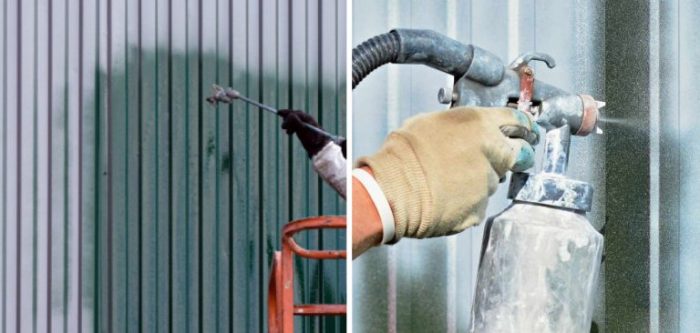
Mastering the art of painting metal siding requires attention to detail and a touch of finesse. With the right techniques and knowledge, you can achieve a flawless finish that enhances the beauty and longevity of your metal surfaces. Take these insights to heart as you embark on your next painting project and watch your metal siding shine with renewed vibrancy.
General Inquiries
Why is cleaning metal siding important before painting?
Cleaning removes dirt, grime, and contaminants that can affect paint adhesion and longevity.
What types of paint are suitable for metal siding?
Acrylic latex paints or oil-based paints are commonly used for metal surfaces.
How can I avoid drips and streaks when painting metal siding?
Ensure proper paint consistency, use appropriate tools, and follow correct painting techniques to minimize drips and streaks.